January 15, 2026 By: JK Tech
Generative AI is transforming how businesses create content, analyze data, and automate creativity. From generating human-like text and images to writing code and composing music, Generative AI is reshaping industries at an unprecedented pace.
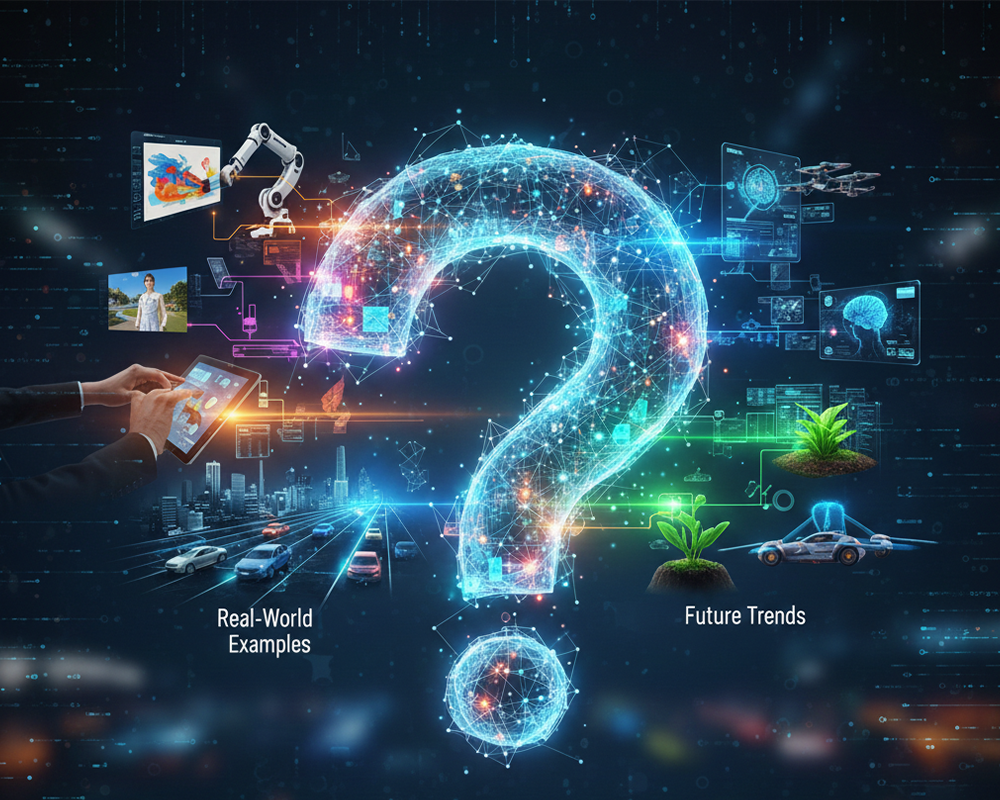
In this blog, we’ll explore the meaning of Generative AI, how it works, real-world examples, key benefits, and the future trends shaping this powerful technology.
What Is Generative AI?
Generative AI refers to a category of artificial intelligence models designed to generate new content such as text, images, videos, audio, and code based on patterns learned from existing data.
Unlike traditional AI systems that only analyze or classify information, Generative AI can create original outputs that closely resemble human-created content.
How Does Generative AI Work?
Generative AI works using advanced machine learning models trained on massive datasets. These models learn patterns, structures, and relationships within data to generate new outputs.
Core Technologies Behind Generative AI
- Large Language Models (LLMs) – Generate human-like text (e.g.,ChatGPT)
- Generative Adversarial Networks (GANs) – Create realistic images and videos
- Diffusion Models – Power AI image generation tools
- Transformer Architecture – Enables contextual understanding and creativity
Real-World Examples of Generative AI
Generative AI is already widely used across industries. Here are some practical real-world examples of Generative AI:
1. Content Creation & Marketing
- Blog writing and SEO content generation
- Social media captions and ad copy
- Email marketing personalization
2. Image & Video Generation
- AI-generated product images
- Creative designs and illustrations
- Video scripts and animations
3. Software Development
- Code generation and debugging
- Automated documentation
- AI-assisted testing
4. Healthcare & Research
- Drug discovery and molecule design
- Medical imaging analysis
- Clinical documentation automation
5. Customer Support & Chatbots
- AI chatbots with human-like responses
- Automated FAQs and help desks
- Multilingual customer interactions
Key Benefits of Generative AI
- Faster content creation
- Improved personalization
- Enhanced creativity and innovation
- Reduced operational costs
- Scalable automation across workflows
Generative AI vs Traditional AI
| Aspect | Traditional AI | Generative AI |
| Function | Analyze & predict | Create new content |
| Output | Fixed results | Dynamic & creative |
| Use Case | Classification | Content generation |
| Learning | Rule-based | Deep learning models |
Future Trends of Generative AI
The future of Generative AI is set to redefine digital transformation.
1. Hyper-Personalized Experiences
AI will deliver deeply personalized content, ads, and user experiences in real time.
2. Multimodal Generative AI
Single models will generate text, images, audio, and video together.
3. Ethical & Responsible AI
Stronger governance, transparency, and bias control will shape AI development.
4. AI-Powered Business Automation
End-to-end automation of marketing, sales, HR, and operations using Generative AI.
5. Industry-Specific AI Models
Custom Generative AI models tailored for healthcare, finance, education, and retail.
Why Generative AI Matters for Businesses
Businesses adopting Generative AI gain a competitive edge through faster innovation, smarter decision-making, and scalable growth. With the right Generative AI services, organizations can automate workflows, enhance customer experiences, and unlock actionable insights from data. From startups to large enterprises, Generative AI services are becoming a core digital strategy driving efficiency, agility, and long-term business value rather than remaining just a passing trend.
Conclusion
Generative AI is more than a technological advancement it marks a transformative shift in how organizations create, innovate, and scale intelligence. As real-world adoption accelerates, Generative AI is reshaping business models and digital experiences.
With JK Tech’s Generative AI orchestrator- JIVA, enterprises can strategically unlock smarter operations, faster innovation, and sustainable competitive advantage. Now is the time to leverage Generative AI to stay ahead in the evolving digital economy.