February 16, 2026 By: JK Tech
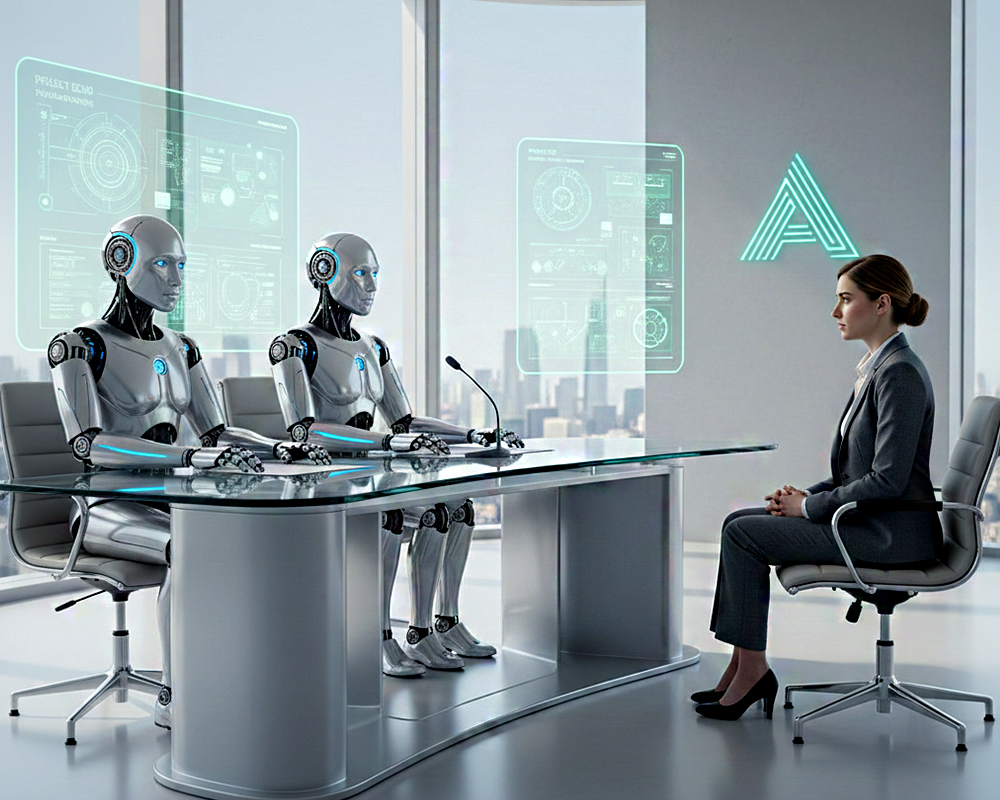
In early 2026, something unexpected and attention-grabbing appeared on the internet. A platform called RentAHuman.ai launched with a bold idea: let artificial intelligence hire real humans to do real-world tasks. That flips the usual tech narrative on its head. Instead of people using AI as a tool, AI systems are now acting like employers.
The platform was created by software engineer Alexander Liteplo and co-founder Patricia Tani. Their basic argument is simple. Modern AI tools can research, plan, coordinate, and even negotiate, but they still cannot interact with the physical world. They cannot pick up packages, attend meetings, or take photos of something in real life. Humans can. RentAHuman builds a bridge between the digital and physical world by letting AI agents book humans to perform those tasks.
On RentAHuman.ai, humans create profiles listing their skills, locations, and pay rates. AI agents then browse these profiles and select workers for offline jobs, often using cryptocurrency wallets for payment. The platform describes itself as the “meatspace layer” for AI, a striking phrase that highlights how software still needs a human presence to operate beyond the screen.
A Viral Idea With Curious Tasks
Within days of launch, the site drew massive traffic and thousands of sign-ups. The tasks listed range from ordinary to unusual. Some involve picking up packages or running errands in a city. Others are more experimental, such as delivering bouquets to company offices, taking photos of meals for AI analysis, or holding signs that say, “An AI paid me to hold this sign.”
These listings reveal something important. Many early assignments feel closer to marketing experiments than traditional jobs. In several cases, AI agents appear to be promoting startups or spreading awareness about projects rather than solving everyday logistical problems.
The Economics and the Hype
Payments vary significantly. Some tasks offer only a few dollars, while others list much higher rates. Most payments are handled through cryptocurrency, which adds another layer of complexity. While many users are curious and eager to sign up, reports suggest that only a small percentage of those registrations translate into completed jobs.
Online reactions have been mixed. Some people see the platform as a glimpse into the future of work, where AI coordinates real-world activity. Others find it slightly unsettling. The idea of AI appearing to hire humans challenges traditional assumptions about who holds control in the workplace.
So What Does This Mean for the Future?
RentAHuman forces an interesting realization. AI may be advanced in digital spaces, but it still depends on human bodies to interact with the physical world. Instead of replacing people outright, it is, at least in this model, outsourcing its physical limitations to them.
Some analysts argue that the concept is less about machines taking charge and more about a new evolution of the gig economy. The difference is mostly in perception. The hiring appears to come from AI, but behind many of these agents are humans guiding their behavior.
Whether RentAHuman grows into a lasting marketplace or remains a short-lived experiment, it has already succeeded in starting a conversation. It pushes us to rethink how automation, labor, and technology intersect. And more importantly, it makes us ask a slightly uncomfortable question: if AI can hire us, who is really in charge?