September 4, 2026 By: JK Tech
Digital identity is becoming a critical part of how businesses verify customers, employees, partners, and devices. As digital interactions increase, enterprises need to identity systems that are secure, reliable, privacy-focused, and easy to manage.
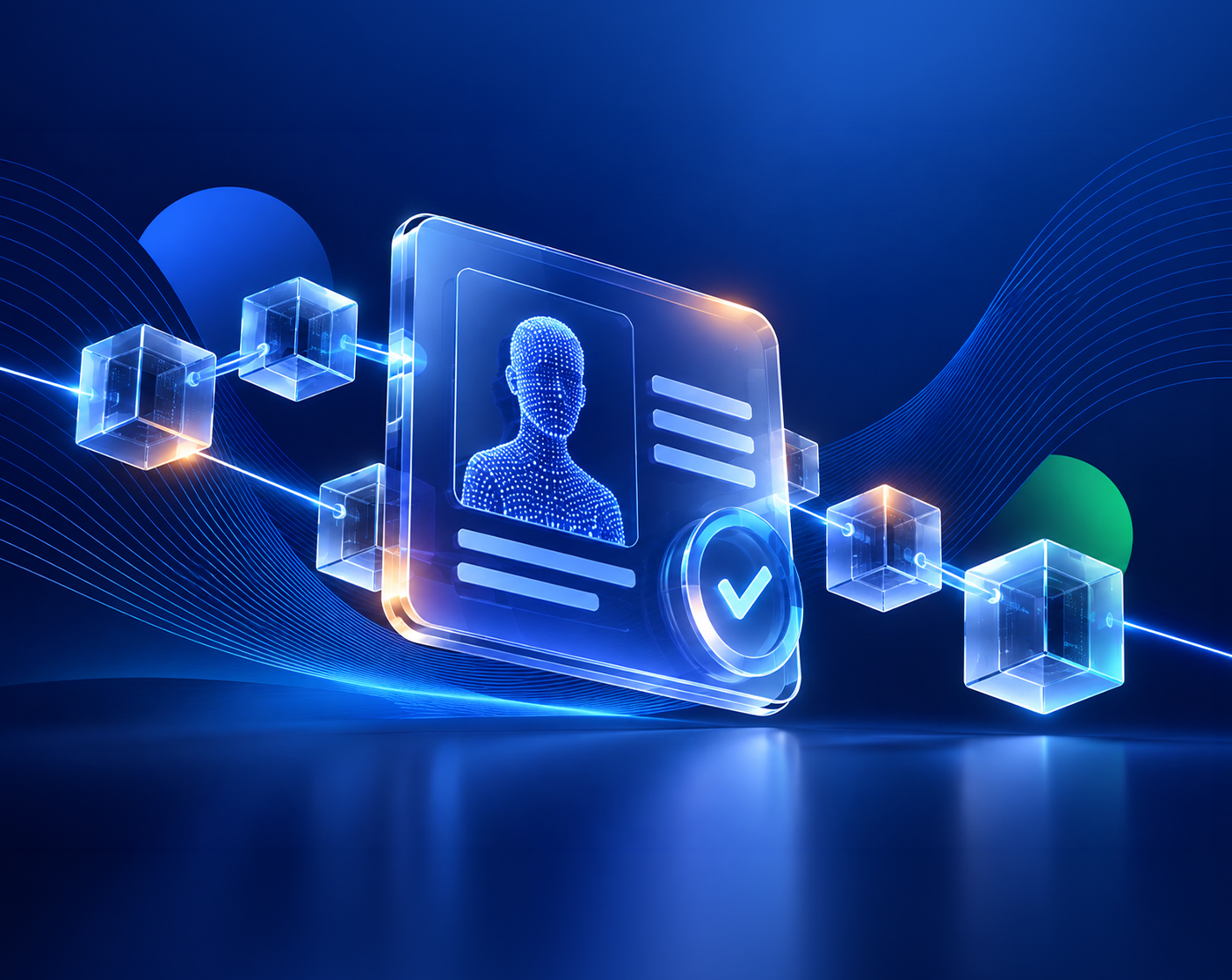
Traditional identity systems often depend on centralized databases, repeated verification, and multiple intermediaries. Blockchain is changing this model by enabling more secure and verifiable ways to manage digital identities. A blockchain development company can help enterprises implement blockchain-based identity solutions for secure authentication, credential verification, and trusted digital interactions.
Why Digital Identity Needs a New Approach
Businesses handle large volumes of sensitive identity information every day. Passwords, identity documents, access credentials, customer records, and employee information all need strong protection.
However, traditional systems can create challenges such as:
- Repeated identity verification
- Centralized data vulnerabilities
- Password-related security risks
- Limited control over personal information
- Complex identity management across platforms
Blockchain introduces a decentralized approach where identity information can be verified without relying entirely on a single centralized authority.
How Blockchain Can Transform Digital Identity
Blockchain can create a trusted layer for verifying identity-related information while giving users greater control over how their credentials are shared. Instead of repeatedly submitting the same information to different organizations, users could verify specific credentials through digitally signed and tamper-resistant records. For enterprises, this can help in:
Verification: Businesses can verify credentials more efficiently.
Data integrity: Blockchain records are difficult to alter without detection.
Privacy: Identity systems can be designed to share only the information required for a specific transaction.
Trust: Multiple parties can verify information using a shared source of truth.
Where Enterprises Can Use Blockchain-Based Identity
Blockchain-powered digital identity has applications across multiple industries.
Banking and Financial Services
Banks can use blockchain-based identity solutions to simplify KYC processes, verify customers, and reduce repetitive documentation. It can also help financial institutions create faster, more transparent, and auditable identity verification processes.
Healthcare
Patients could securely manage verified credentials while healthcare providers can authenticate information when required. This can make it easier to share trusted patient information while maintaining greater control over sensitive identity data.
Supply Chain
Businesses can verify the identity and credentials of suppliers, partners, and other participants across complex supply networks. This improves trust between stakeholders and helps reduce risks associated with fake or inaccurate credentials.
Workforce and Enterprise Access
Organizations can use verifiable digital credentials for employee identity, certifications, permissions, and secure access. Employees can use verified credentials across different systems, reducing manual checks and simplifying access management.
Government and Public Services
Blockchain can support trusted digital credentials for accessing public services while improving verification and reducing fraudulent identity claims. Citizens can benefit from faster verification and more convenient access to digital services across multiple government platforms.
Why Enterprises Are Investing in Blockchain Development Services
Enterprise blockchain adoption is moving beyond experimentation. Businesses are looking at blockchain where it can solve specific problems around trust, verification, security, and data sharing. A blockchain development company can help enterprises design identity systems around their existing technology environment rather than replacing everything with blockchain.
Modern blockchain development services can include:
- Digital identity platforms
- Decentralized identity solutions
- Verifiable credentials
- Blockchain-based authentication
- Smart contract integration
- Enterprise blockchain applications
- Secure identity verification systems
The focus should be on solving a business problem, not simply adding blockchain technology.
What the Future of Digital Identity Could Look Like
The future is likely to move toward identity systems where people and organizations have greater control over verified digital credentials.
Instead of creating separate identities across every platform, users could potentially reuse trusted credentials across services while sharing only the information necessary for each interaction. This could make digital interactions faster, more private, and easier to verify.
Blockchain is not the only technology shaping this future, but its ability to create verifiable and tamper-resistant records makes it an important part of the digital identity ecosystem.
What Enterprises Should Consider Before Adopting Blockchain
Blockchain is not automatically the right solution for every identity challenge. Enterprises should first evaluate:
- What identity problem needs to be solved?
- What information actually needs to be stored or verified?
- Which systems need blockchain integration?
- How will privacy and regulatory requirements be handled?
- Who will control and manage digital credentials?
- How will the solution scale as users and transactions increase?
A clear business case should come before technology selection.
The Road Ahead for Enterprise Digital Identity
Digital identity is becoming more important as businesses move toward connected platforms, digital services, remote work, and automated transactions. Blockchain can provide a trusted foundation for verifying identities and credentials across organizational boundaries.
Enterprises that explore the technology strategically can build more secure and efficient identity processes while preparing for a future where trusted digital credentials become part of everyday business interactions.
Conclusion
The future of digital identity will depend on secure, trusted, and user-controlled ways to verify information. Blockchain can help enterprises strengthen identity verification, improve data integrity, and simplify trusted digital interactions. JK Tech, a trusted blockchain development company, helps businesses explore blockchain development services and build practical blockchain development solutions aligned with their security, scalability, and business requirements.

Table of Contents
- Why Digital Identity Needs a New Approach
- How Blockchain Can Transform Digital Identity
- Where Enterprises Can Use Blockchain-Based Identity
- Why Enterprises Are Investing in Blockchain Development Services
- What the Future of Digital Identity Could Look Like
- What Enterprises Should Consider Before Adopting Blockchain
- The Road Ahead for Enterprise Digital Identity
- Conclusion