November 12, 2026 By: JK Tech
Supply chains play an important role in keeping businesses running smoothly. From managing raw materials and monitoring inventory to transporting products and delivering orders, every stage requires proper coordination. However, traditional supply chain operations often face challenges such as shipment delays, limited visibility, inventory shortages, and unexpected equipment failures.
As businesses expand and customer expectations continue to rise, managing these operations efficiently has become more challenging. Organizations need better ways to track goods, monitor resources, and make informed decisions throughout the supply chain. This is where IoT solutions are making a difference.
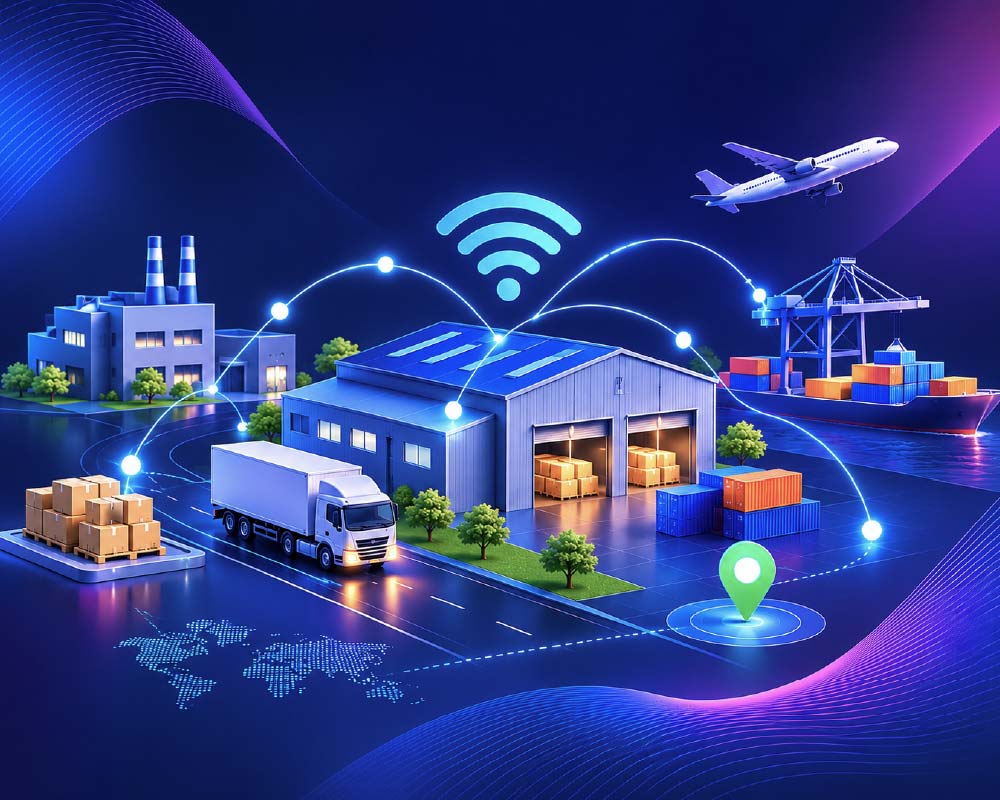
By connecting physical devices, sensors, vehicles, and equipment to digital systems, the Internet of Things (IoT) helps businesses collect and analyze real-time information. This allows organizations to monitor operations, identify potential problems, and improve supply chain performance.
From warehouse management to transportation tracking, IoT is helping businesses create more connected, transparent, and efficient supply chain networks.
Understanding the Role of IoT in Modern Supply Chains
The Internet of Things (IoT) refers to a network of connected devices that collect and exchange information through the internet. These devices use sensors, software, and communication technologies to share real-time data with centralized platforms. In supply chain management, IoT connects different operational activities, including manufacturing, warehousing, transportation, and delivery.
For example, sensors installed in delivery vehicles can track their location, while temperature monitoring devices can help maintain suitable conditions for sensitive products. Similarly, smart warehouse systems can monitor stock levels and provide updates when inventory needs replenishment.
By connecting these activities, businesses gain better visibility into their supply chain operations and can respond to changes more quickly.
How IoT Solutions Are Making Supply Chains Smarter and More Efficient
IoT is helping organizations move from manual monitoring to connected, data-driven operations. Here are some important ways it is improving supply chain management.
Real-Time Shipment Tracking and Visibility
One of the biggest challenges in supply chain management is knowing where products are during transportation. Traditional tracking methods may provide limited updates, making it difficult for businesses to respond to unexpected delays.
IoT-enabled GPS devices and connected sensors help organizations monitor shipment locations and transportation conditions in real time.
Businesses can use this information to:
- Track vehicles and shipments throughout their journey.
- Monitor delivery progress and estimated arrival times.
- Identify unexpected route changes or transportation delays.
- Share accurate shipment updates with customers.
- Improve coordination between suppliers, distributors, and logistics teams.
Real-time visibility helps businesses manage transportation activities more effectively while improving delivery reliability.
Smarter Inventory and Warehouse Management
Managing inventory is essential for maintaining a smooth supply chain. Overstocking increases storage costs, while insufficient stock can delay orders and affect customer satisfaction.
IoT-enabled inventory systems use sensors, RFID tags, and connected devices to monitor stock movement and warehouse conditions.
These systems help businesses:
- Monitor inventory levels in real time.
- Identify products that need replenishment.
- Track goods entering and leaving warehouses.
- Reduce manual inventory management activities.
- Improve warehouse space utilization.
For example, smart sensors can automatically update inventory records when products move between storage locations. This gives warehouse teams better control over stock and reduces the chances of inventory-related errors.
Predictive Maintenance for Equipment and Vehicles
Unexpected equipment breakdowns can interrupt production, delay shipments, and increase operational expenses. Traditional maintenance practices often depend on fixed schedules or manual inspections.
IoT sensors help businesses monitor the condition of machinery, vehicles, and other critical equipment. They collect information such as temperature, vibration, pressure, and operating performance.
By analyzing this information, businesses can identify unusual patterns and potential equipment problems before they lead to major failures.
Predictive maintenance helps organizations:
- Reduce unexpected equipment downtime.
- Schedule maintenance based on actual equipment conditions.
- Improve machinery and vehicle performance.
- Extend equipment lifespan.
- Minimize repair and maintenance expenses.
This approach allows businesses to maintain smoother operations and avoid unnecessary disruptions.
Improving Transportation and Logistics Efficiency
Transportation is one of the most important parts of supply chain management. Fuel costs, traffic conditions, delivery delays, and inefficient routes can affect overall business performance.
IoT-enabled transportation systems provide useful information about vehicle locations, driving conditions, fuel consumption, and delivery schedules.
Organizations can use this data to optimize routes, monitor vehicle performance, and improve fleet management.
Some key benefits include:
- Identifying more efficient delivery routes.
- Monitoring fuel consumption and vehicle health.
- Reducing unnecessary travel and idle time.
- Improving driver and fleet performance monitoring.
- Supporting timely product deliveries.
With better transportation visibility, logistics teams can make informed decisions and improve the overall movement of goods.
Maintaining Product Quality With Smart Monitoring
Certain products require specific environmental conditions during storage and transportation. Food, pharmaceutical products, chemicals, and other sensitive materials may be affected by changes in temperature, humidity, or environmental conditions.
IoT-based monitoring devices continuously track these conditions and send alerts when readings move outside predefined limits.
For example, temperature sensors inside refrigerated trucks can help logistics teams monitor cold-chain transportation and identify potential issues before products are damaged.
These monitoring capabilities help businesses:
- Maintain suitable storage and transportation conditions.
- Monitor temperature and humidity levels.
- Receive alerts when conditions change unexpectedly.
- Reduce product damage and material wastage.
- Improve quality control throughout transportation.
This is particularly valuable for industries where product quality and safety depend on controlled environmental conditions.
Why Businesses Need the Right IoT Solutions and Development Approach
Choosing the right IoT solutions helps businesses build connected, data-driven supply chains that improve operational efficiency and visibility. With the right technology and implementation approach, organizations can connect devices, streamline workflows, and make better business decisions.
Businesses can explore the following IoT solutions to strengthen their supply chain operations.
Custom IoT Application Development
Businesses can develop customized applications to monitor connected devices, manage operations, and access real-time supply chain information through centralized dashboards.
Cloud-Based IoT Platforms
Cloud-based platforms help organizations collect, store, and process data from connected devices. They also make supply chain information accessible across different locations and departments.
IoT Integration With Enterprise Systems
Connecting IoT platforms with ERP, warehouse management, and transportation management systems helps businesses create a more unified operational environment.
Data Analytics and Intelligent Monitoring
IoT analytics can help organizations identify operational patterns, monitor performance, and generate insights that support better supply chain decisions.
Related blog – https://jktech.com/blogs/what-are-iot-solutions-and-why-are-they-important-for-businesses/
Key Considerations Before Implementing IoT in Supply Chains
Although IoT offers several advantages, successful implementation requires careful planning. Businesses should evaluate their operational needs and technology infrastructure before introducing connected systems.
Some important factors to consider include:
- Device compatibility: Ensure connected devices can communicate effectively with existing systems.
- Data security: Protect sensitive operational information and device communication.
- Network connectivity: Choose reliable connectivity options for warehouses, vehicles, and remote locations.
- Scalability: Select technologies that can support future business expansion.
- System integration: Connect IoT platforms with existing enterprise applications.
- Performance monitoring: Regularly evaluate device performance and operational improvements.
Addressing these factors helps organizations build reliable IoT environments that can support long-term supply chain operations.
The Future of IoT in Supply Chain Management
The future of supply chain management will depend increasingly on connected technologies, automation, and real-time intelligence. As IoT continues to evolve, businesses will have more opportunities to improve visibility and make their operations more responsive.
The combination of IoT with Artificial Intelligence (AI), machine learning, and advanced analytics will further strengthen supply chain capabilities.
Some emerging developments include:
- AI-powered predictive analytics: Identifying potential supply chain disruptions before they occur.
- Digital twins: Creating virtual representations of warehouses, equipment, and supply chain operations to simulate performance.
- Autonomous logistics: Supporting automated transportation and warehouse activities.
- Smart warehouses: Using connected sensors and intelligent systems to improve inventory handling.
- Connected supply chain ecosystems: Enabling better information sharing between manufacturers, suppliers, distributors, and logistics providers.
These developments will help businesses build more adaptable supply chains while improving operational efficiency and customer satisfaction.
Conclusion
IoT is transforming supply chain management by connecting devices, improving real-time visibility, and enabling smarter operational decisions. From shipment tracking and inventory management to predictive maintenance and product monitoring, IoT solutions help businesses reduce inefficiencies and build more reliable supply chain operations.
However, achieving these benefits requires the right technology, integration strategy, and implementation expertise. JK Tech helps organizations explore digital innovation and connected technology approaches that align with their business objectives. By adopting the right IoT services and working with an experienced IoT development company, businesses can create smarter supply chains, improve operational performance, and prepare for future growth.

Table of Contents
- Understanding the Role of IoT in Modern Supply Chains
- How IoT Solutions Are Making Supply Chains Smarter and More Efficient
- Why Businesses Need the Right IoT Solutions and Development Approach
- Key Considerations Before Implementing IoT in Supply Chains
- The Future of IoT in Supply Chain Management
- Conclusion