August 14, 2026 By: JK Tech
Product design has traditionally involved extensive brainstorming, sketches, prototypes, testing, and multiple rounds of refinement. While these stages remain important, generative AI is changing how quickly designers can move from an initial idea to a viable product concept.
Instead of replacing designers, AI can act as a creative and analytical partner. It can generate design variations, analyse requirements, explore materials, create visual concepts, and help teams evaluate ideas earlier in the development process. This is why generative AI services are gaining attention across industries where faster innovation, personalization, and efficient product development have become competitive priorities.
Why Generative AI Is Changing the Product Design Process
Traditional product development can involve multiple iterations before a concept reaches the prototyping stage. Generative AI can shorten some of these cycles by helping teams explore numerous possibilities at an early stage.
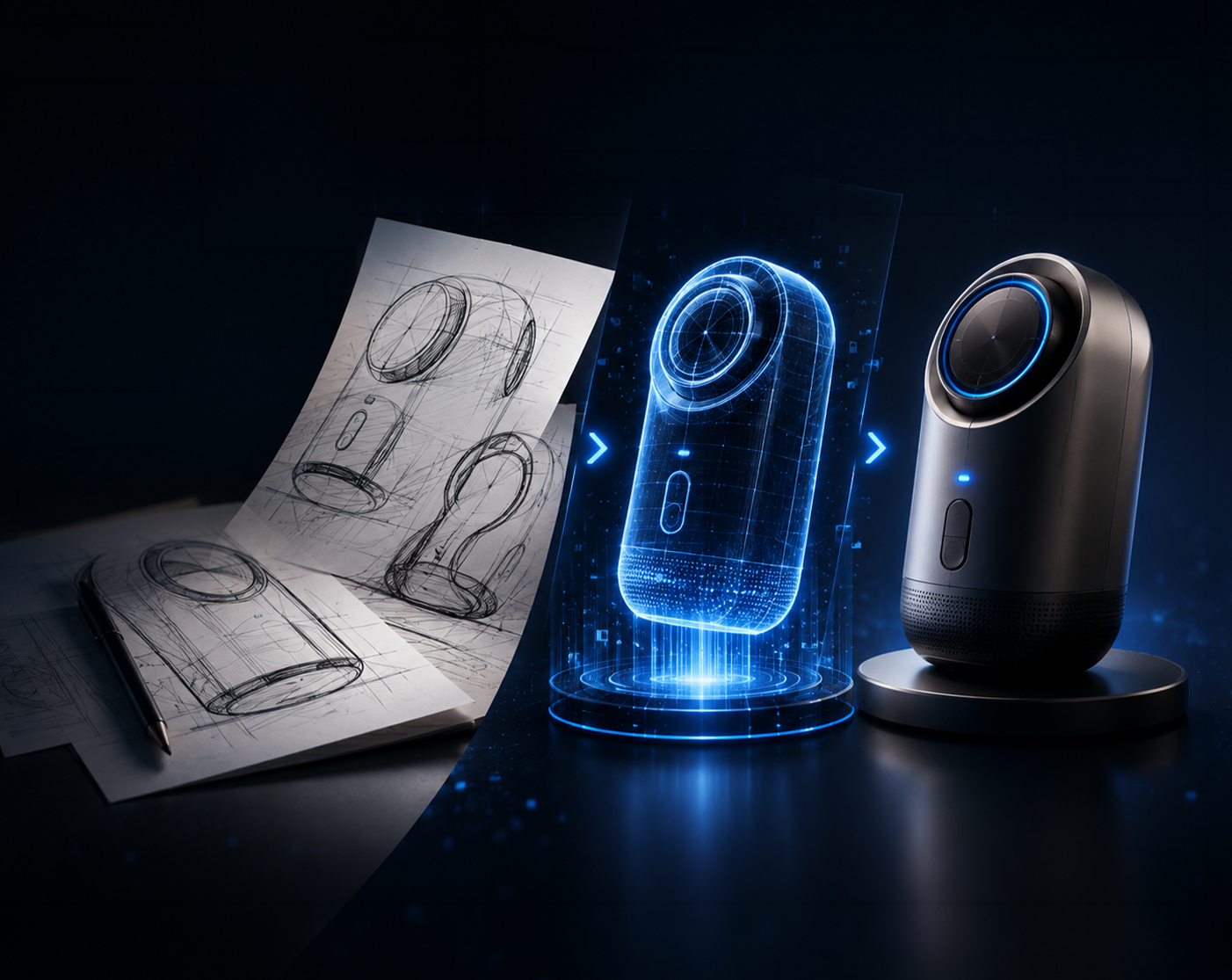
A simplified workflow looks like:
Idea → AI-Assisted Exploration → Design Variations → Virtual Evaluation → Prototype → Refinement → Production
The biggest shift is not simply speed. Designers can explore more possibilities before committing resources to a physical prototype.
From a Blank Page to Hundreds of Design Possibilities
One of the biggest challenges in product design is moving from an abstract idea to something visual.
Designers can provide generative AI with parameters such as:
- Product purpose
- Target users
- Functional requirements
- Material preferences
- Size constraints
- Design style
- Manufacturing considerations
The system can then generate multiple concepts based on those inputs.
For designers, this creates a broader creative starting point. Instead of spending hours developing one initial direction, they can compare several possibilities and decide which concepts deserve deeper development.
AI Can Help Designers Explore More Than Appearance
Generative AI is not limited to creating attractive product visuals.
When integrated with engineering and design workflows, AI can help explore factors such as:
Weight + Material + Performance + Cost + Functionality
For example, a product team designing a lightweight component may use AI-assisted generative design to explore different structural configurations while considering performance requirements.
This moves AI from being simply a visual design tool toward becoming part of the product engineering process.
Virtual Prototyping Can Reduce Unnecessary Iterations
Physical prototypes can require time, materials, manufacturing resources, and repeated modifications. Generative AI can support virtual exploration before teams invest heavily in physical prototypes.
Design teams can use digital models to compare different concepts and identify potential improvements earlier. This does not eliminate physical testing. Instead, it can help teams enter physical prototyping with more refined concepts and fewer avoidable iterations.
Personalization Is Becoming a Major Design Advantage
Customers increasingly expect products that reflect their individual preferences. Generative AI can help businesses explore product variations based on:
- User preferences
- Usage patterns
- Demographic characteristics
- Market trends
- Customer feedback
- Purchase behaviour
This can enable companies to move from designing one product for everyone toward exploring product experiences for different customer segments.
For industries such as fashion, consumer electronics, automotive, furniture, and retail, this can create new opportunities for personalized product development.
Turning Customer Feedback Into Design Ideas
Customer feedback contains valuable information, but large volumes of reviews, surveys, support conversations, and social media comments can be difficult to analyse manually. Generative AI can help product teams identify recurring themes such as:
- Frequently requested features
- Product usability issues
- Customer frustrations
- Missing functionality
- Design preferences
- Reasons for dissatisfaction
These insights can then influence the next generation of product concepts.
The result is a more connected loop:
Customer Feedback → AI Analysis → Design Insight → New Concept → Improved Product
Generative AI Solutions Can Connect Design and Engineering
Product development often involves multiple teams working with different priorities. Designers may focus on aesthetics and user experience, while engineers consider functionality, manufacturability, materials, safety, and cost.
Generative AI solutions can help bring these perspectives closer together by enabling teams to explore design alternatives against multiple requirements. This can improve collaboration and reduce the disconnect between “looks good” and “works well.”
Faster Design Does Not Mean Less Human Creativity
A common concern is that AI could make product design less creative. In reality, the value of AI depends heavily on human direction. Designers still need to decide:
- Which problem is worth solving?
- Which concept fits the brand?
- What should the user experience feel like?
- Which design is technically practical?
- What trade-offs are acceptable?
- Which idea has genuine market potential?
Generative AI can produce possibilities, but human designers provide context, judgment, empathy, and creative direction.
Where Generative AI Is Making the Biggest Impact
Generative AI is particularly interesting in industries where product development involves high levels of experimentation.
Automotive
AI can support concept generation, component optimization, interior design exploration, and personalized vehicle experiences.
Consumer Electronics
Design teams can explore different form factors, materials, interfaces, and product configurations more quickly.
Fashion
Generative AI can support concept creation, pattern exploration, styling, personalization, and trend-driven design.
Healthcare Products
AI-assisted design can help teams explore medical product concepts while considering usability, functionality, and specific user requirements.
Furniture and Consumer Products
Designers can generate variations based on space, aesthetics, materials, functionality, and customer preferences.
The New Product Design Advantage: More Ideas, Earlier
The real competitive advantage of generative AI may not be producing a final design faster.It may be the ability to explore more possibilities before making expensive decisions.
A traditional process might narrow down ideas early because developing every option takes significant time. With AI assistance, teams can explore a wider design space and identify promising directions earlier.
That can create a powerful advantage:
More Exploration → Better Shortlisting → Smarter Prototyping → Faster Innovation
What Businesses Need Before Implementing Generative AI
Adopting AI does not automatically improve product development. Businesses need to consider:
Quality of Data
AI-generated insights are only as useful as the information and design requirements provided to the system.
Integration With Existing Tools
AI should fit into existing design, engineering, product lifecycle, and collaboration workflows.
Intellectual Property
Companies need clear policies around proprietary designs, customer information, training data, and AI-generated outputs.
Human Validation
AI-generated concepts must be reviewed by designers, engineers, and relevant specialists before being used in real products.
Business Objectives
AI should solve a genuine product-development challenge rather than being implemented simply because it is a trending technology.
What Product Design Could Look Like Next
The next stage of AI-driven product design is likely to become more collaborative. Designers may describe a product requirement using natural language, generate multiple concepts, test digital variations, analyse customer preferences, and refine the selected design with AI assistance all within a connected workflow. This could transform the designer’s role from creating every design element manually to directing, evaluating, and refining intelligent design systems.
Conclusion
Generative AI is transforming product design by helping teams explore ideas, generate alternatives, analyse customer needs, and refine concepts faster. With the right generative AI services, businesses can integrate AI across the product lifecycle while keeping human creativity and engineering expertise at the centre. JK Tech helps businesses leverage generative AI solutions to accelerate design innovation, improve experimentation, and support data-driven product decisions. The real opportunity is not just to design faster, but to explore better ideas, make smarter decisions, and create products that align closely with customer needs.

Table of Contents
- Why Generative AI Is Changing the Product Design Process
- From a Blank Page to Hundreds of Design Possibilities
- AI Can Help Designers Explore More Than Appearance
- Virtual Prototyping Can Reduce Unnecessary Iterations
- Personalization Is Becoming a Major Design Advantage
- Turning Customer Feedback Into Design Ideas
- Generative AI Solutions Can Connect Design and Engineering
- Faster Design Does Not Mean Less Human Creativity
- Where Generative AI Is Making the Biggest Impact
- The New Product Design Advantage: More Ideas, Earlier
- What Businesses Need Before Implementing Generative AI
- What Product Design Could Look Like Next
- Conclusion